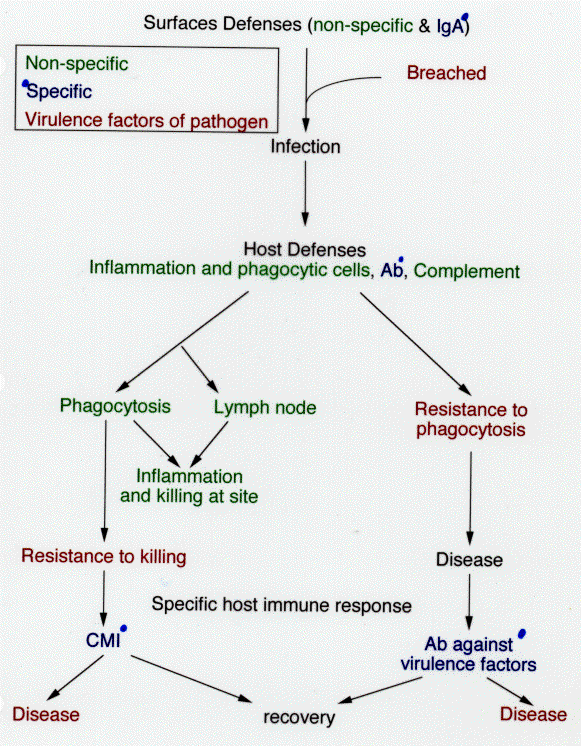
Cell Mediated Immunity
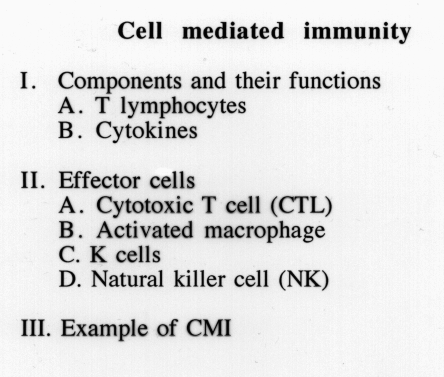
(Figure 1)
Cell mediated immunity: cellular response to most intracellular pathogens. Typically, they are multiplying within cells and may alter those cells so that the infected cell is recognized as foreign. T lymphocytes mediate the response. Secretion of lymphokines -> cytotoxic T cells and activated macrophages generated - these are the effector cells.
T cells have a T-cell receptor, functionally analogous to the Ig on surface of B-cells. T-cell receptor diversity generated in same way as Ab diversity.
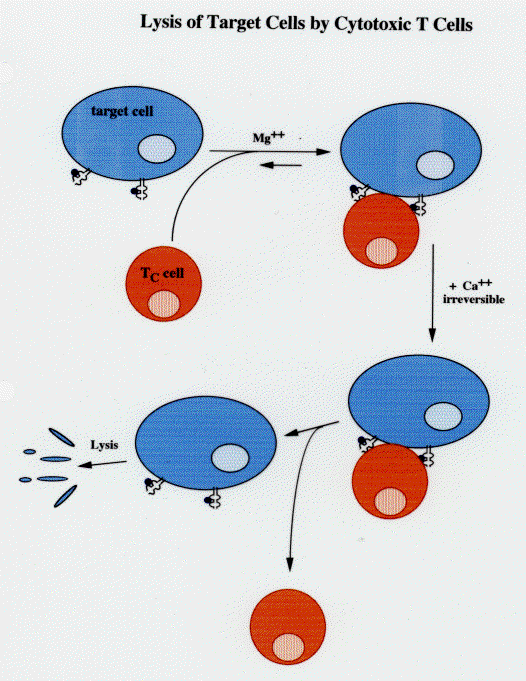
Cytotoxic T cells - recognize antigens expressed on the surface of host cells. See the foreign antigen in context of self, MHC. (Figure 2)
Bind to infected cell. Cell is “programmed” to die. Very specific. Like B-cells, helper T cells stimulate activation and proliferation of CTLs through the release of lymphokines. Works best by direct interaction of Th with the cell to be activated (B-cell or macrophage etc). Supressor T cells downregulate.
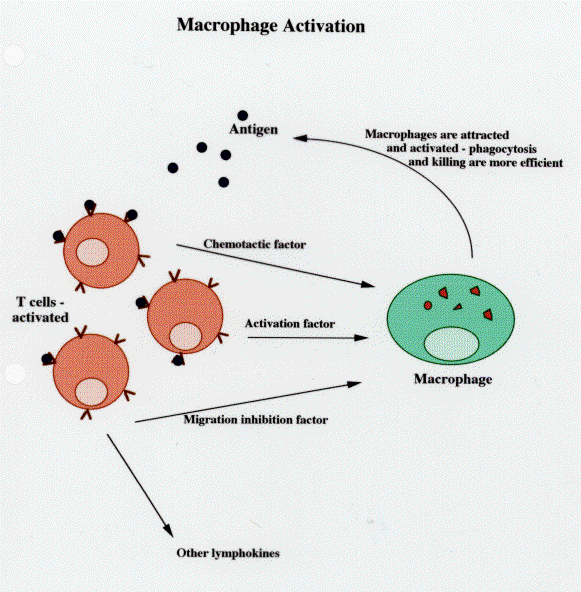
Activated macrophages - (Figure 3) metabolically more active, increased killing capacity. Can kill infected cells or kill pathogens in extracellular phase. Also secrete factors such as tumor necrosis factor, a and b interferons. Much of the damage to host tissues during infection with intracellular pathogens results from the cell mediated immune response.
Activation is the result of exposure to cytokines such as g interferon and other macrophage-activating factors. Macrophage chemotactic factor and migration inhibition factor are other T-cell cytokines important in CMI.
Example of CMI (delayed type hypersensitivity)
1. Inoculate mice with Listeria (intracellular pathogen)
2. Wait several days to allow sensitization - obtain serum and spleen cells
3. Inject normal mice with serum or spleen cells
4. Challenge with Listeria or another intracellular pathogen
Challenge
| Transfer | Listeria | Mycobacterium | Both |
| normal serum | disease | disease | disease |
| normal spleen | disease | disease | disease |
| Listeria immune serum |
disease | disease | disease |
| Listeria immune spleen |
no disease | disease | no disease |
Another group of cells involved in immunity are the null cells, which as the name implies lack the characteristic markers of T or B cells. These include:
K cells - responsible for antibody-dependent cell mediated cytotoxicity, have Fc receptors
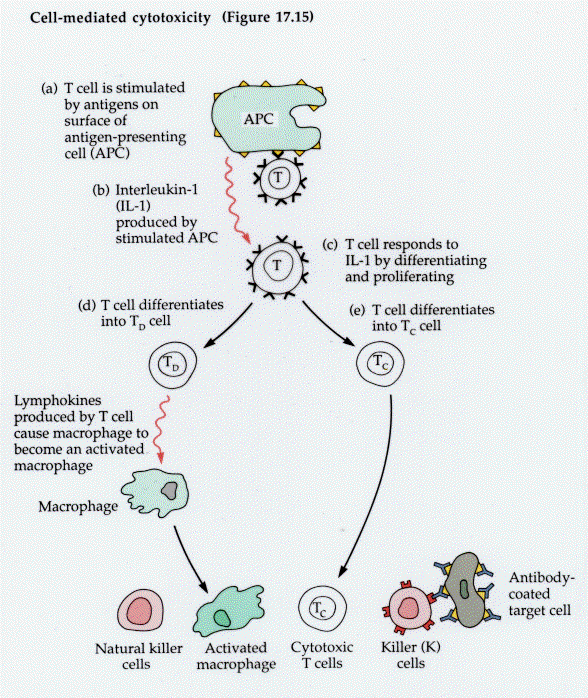
Natural killer cells (NK) can efficiently kill certain types of tumor or vius-infected cells. Show some specificity but less than the CTLs (Figure 4)
(Figure 5)