We had to come up with an acronym for our team name (a tradition in the course), this is the one we came up with: ACRONYM:
Analytical
Crapshoot by
Roden's (our group leader's name)
Odd and
Neurotic
Young
Minds
Stable Isotope Course Pictures
|
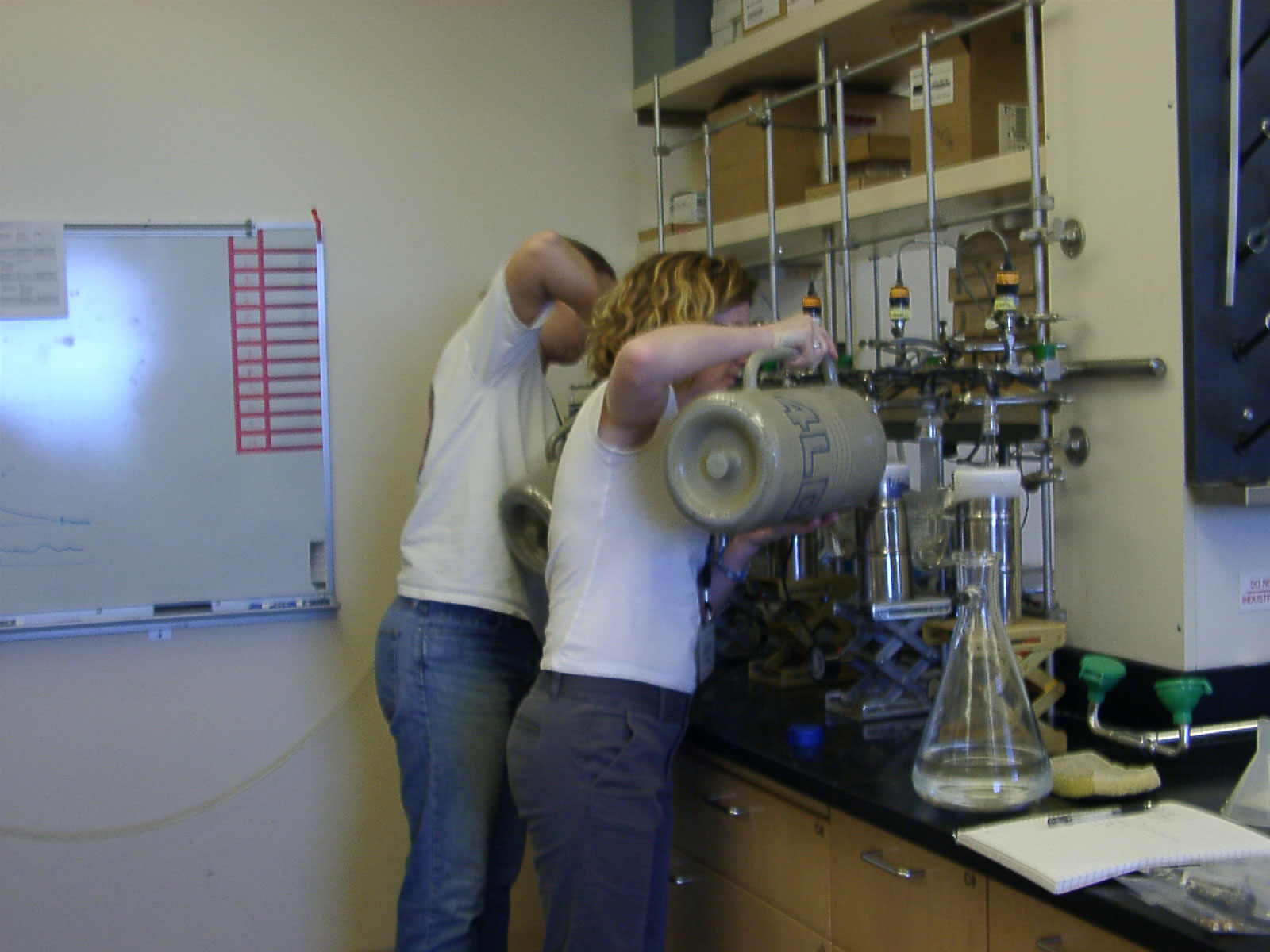
Filling the dewars with liquid nitrogen on our water extraction line. Here we were extracting water for hydrogen analysis on some insects we collected in the field. Next to me is Leslie Babonis, a grad student from Florida, she's working with water regulation in marine snakes. This water extraction line has six samples going on each side, all hooked up to vacuum. by freezing the sample first, then heating it and freezing the extraction tube, the water leaves the sample, travels through U-shaped tube and then condenses and freezes in the extraction tube. When its done you have a vial of all the water that was in the sample (in our case, insects.) |
|
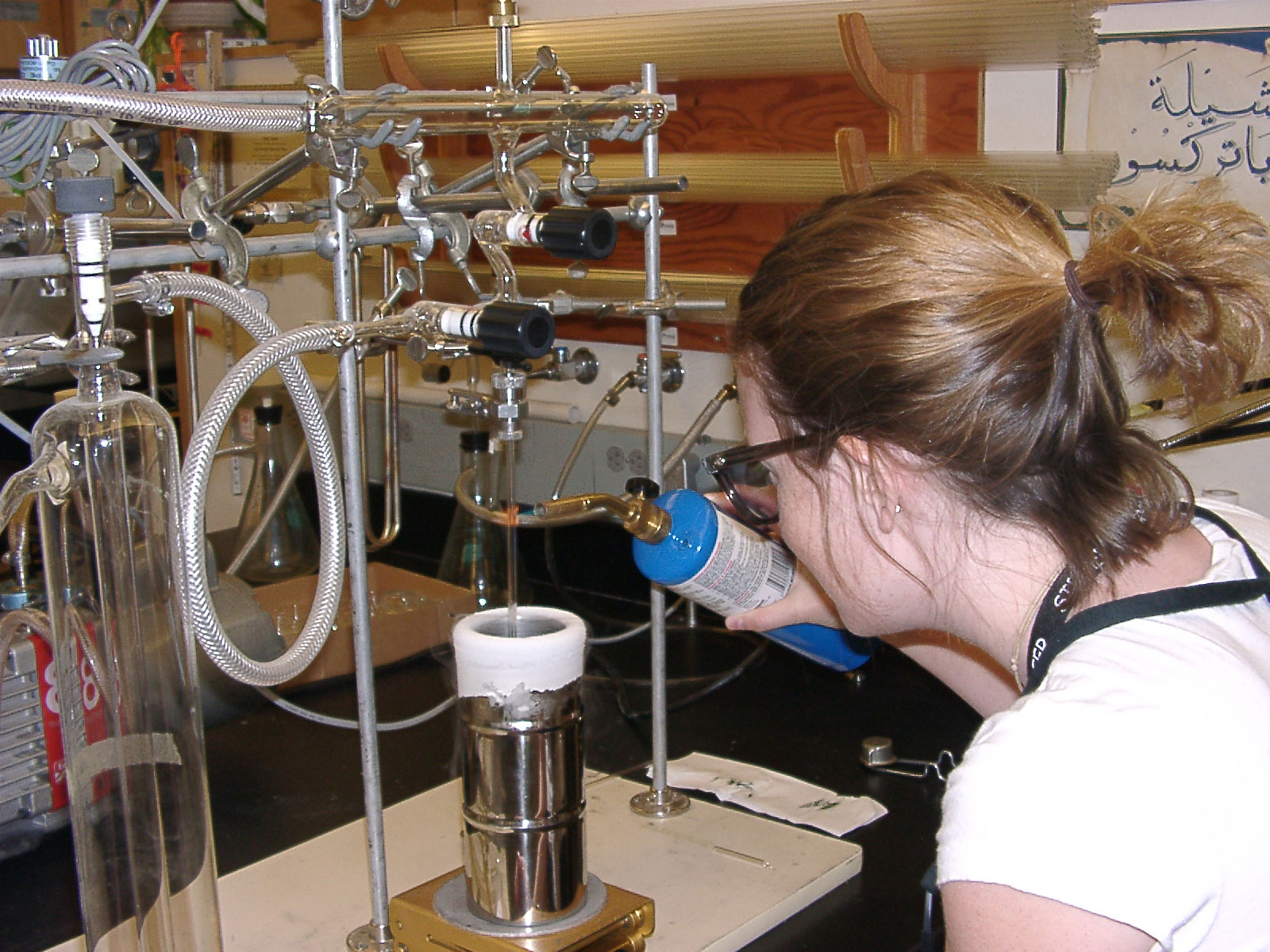
After extracting the water (which takes about an hour per sample), we have to prepare it in tubes to put in the "tubecracker" (a dual-inlet mass spec). Nobody uses this method anymore b/c its really time consuming, but they wanted us to learn it. Basically, we take the 6mm tube and hook it up to the ultra-torr connector, then vacuum all the air out using that top black valve. We then flush with nitrogen with the bottom black valve with vacuum off and quickly pull the tube off to add our water sample which is in a capillary tube. We then freeze our water sample with liquid nitrogen. After frozen we open the vacuum line again and heat the tube on each side until it melts a little. The vacuum pulls the sides of the tube in as you heat it and seals off the sample inside. Then you heat the rest of the tube at that section, twist it off and pull down so that you have your entire sample contained in the tube. The tube then goes in the 500 degree muffle furnace for an hour to oxidize the zinc and form Zinc oxide. Hydrogen gas from your sample that you want to analyze is then inside your tube, which goes into the tubecracker for analysis. |
|
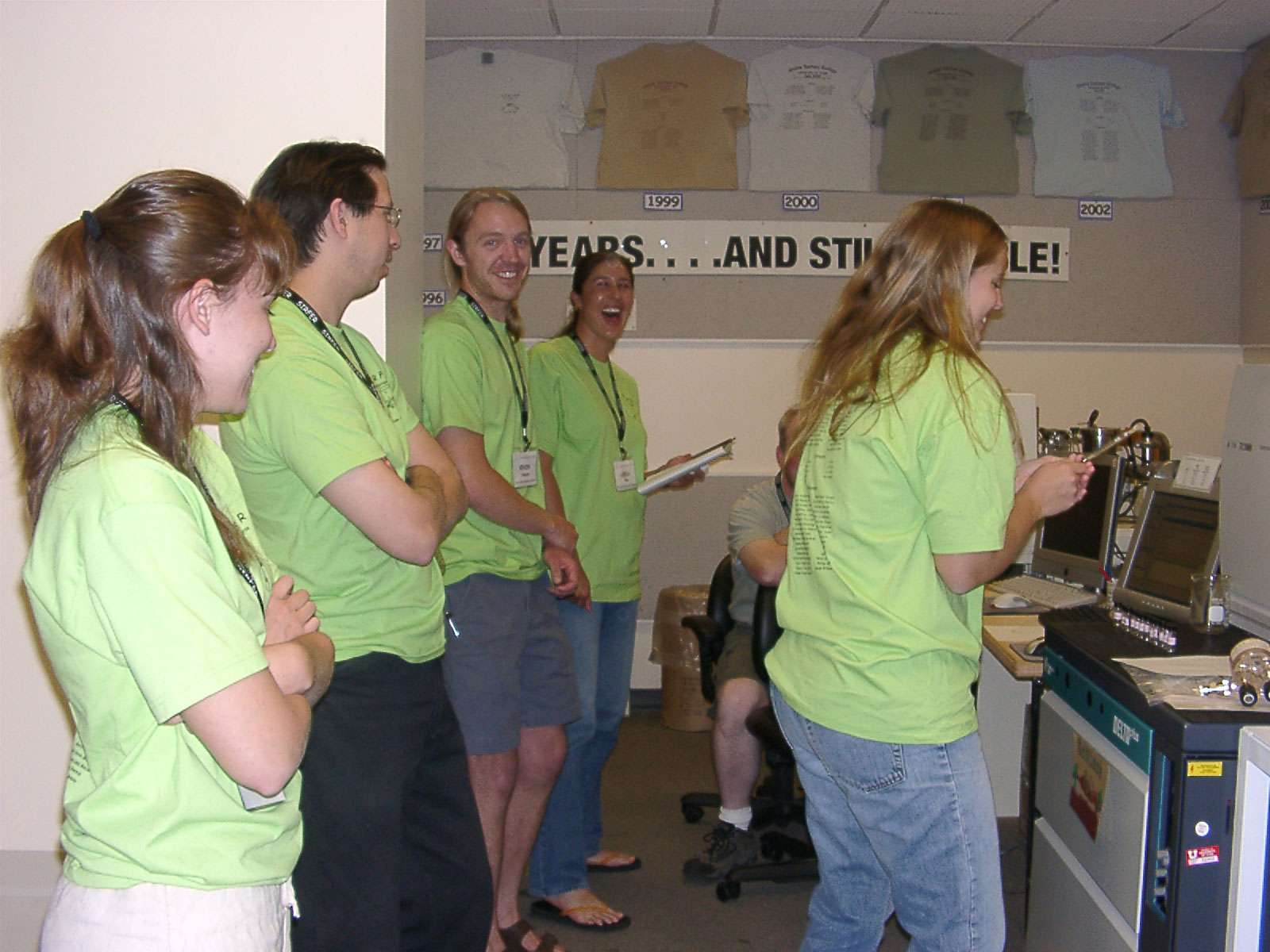
This is my lab group for the first week. From the left
is Tamara (Ariz State), Zack (somewhere in Oregon, advisor is Don Phillips
who's made the isosource software and developed mixing-model methods),
Kevin (Berkeley, advisor is Todd Dawson, a professor in our class), Leela (UC
Riverside), and Leslie (UF Gainesville) is loading oxygen samples via a
large syringe directly into Saltbrush Bill (the gas-sample analyzing mass
spec).
We had to come up with an acronym for our team name (a tradition in the course), this is the one we came up with: ACRONYM: Analytical Crapshoot by Roden's (our group leader's name) Odd and Neurotic Young Minds |
|
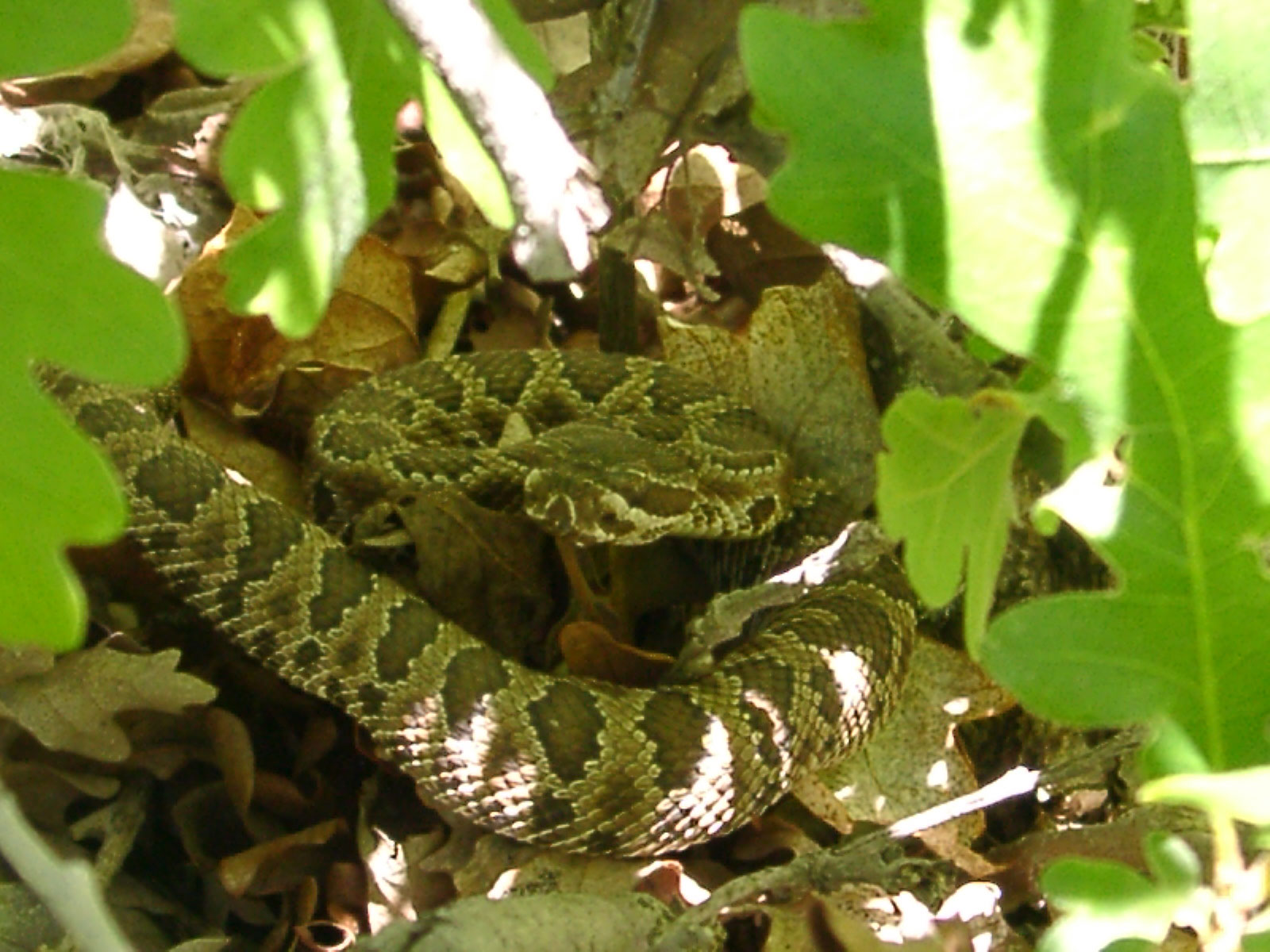
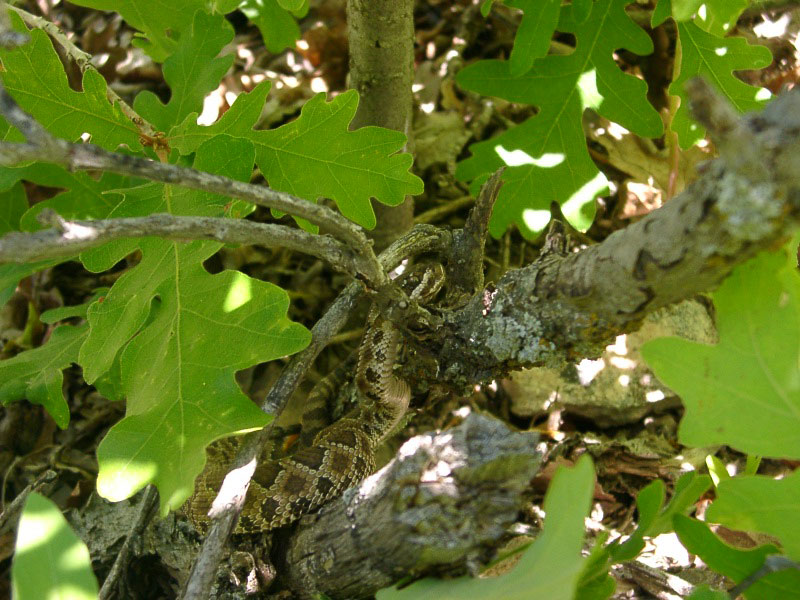
Here is the baby great basin rattler (Crotalus viridis) that we saw. He/she was so cute! |
|
another pic of the crotalus |
|
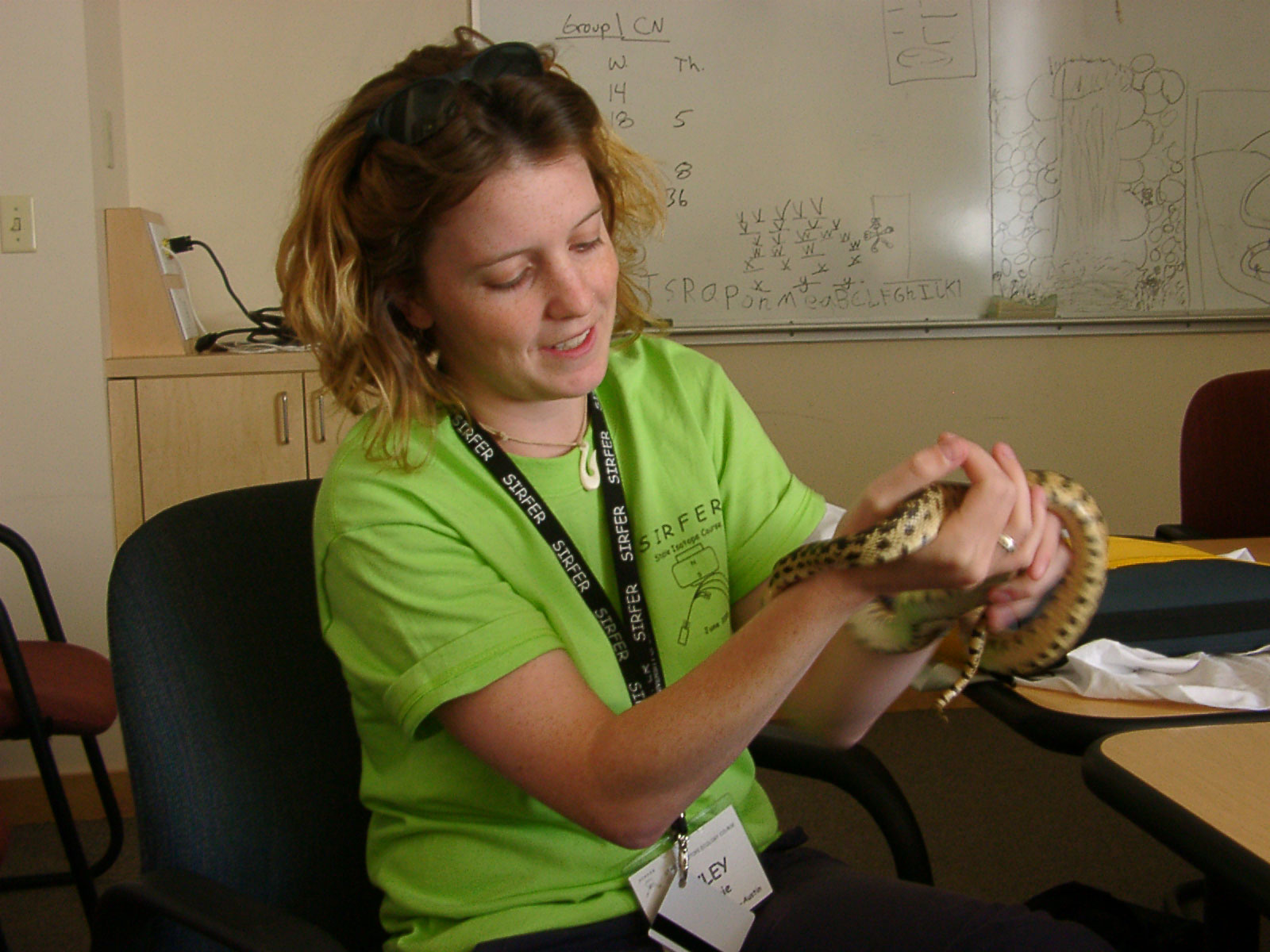
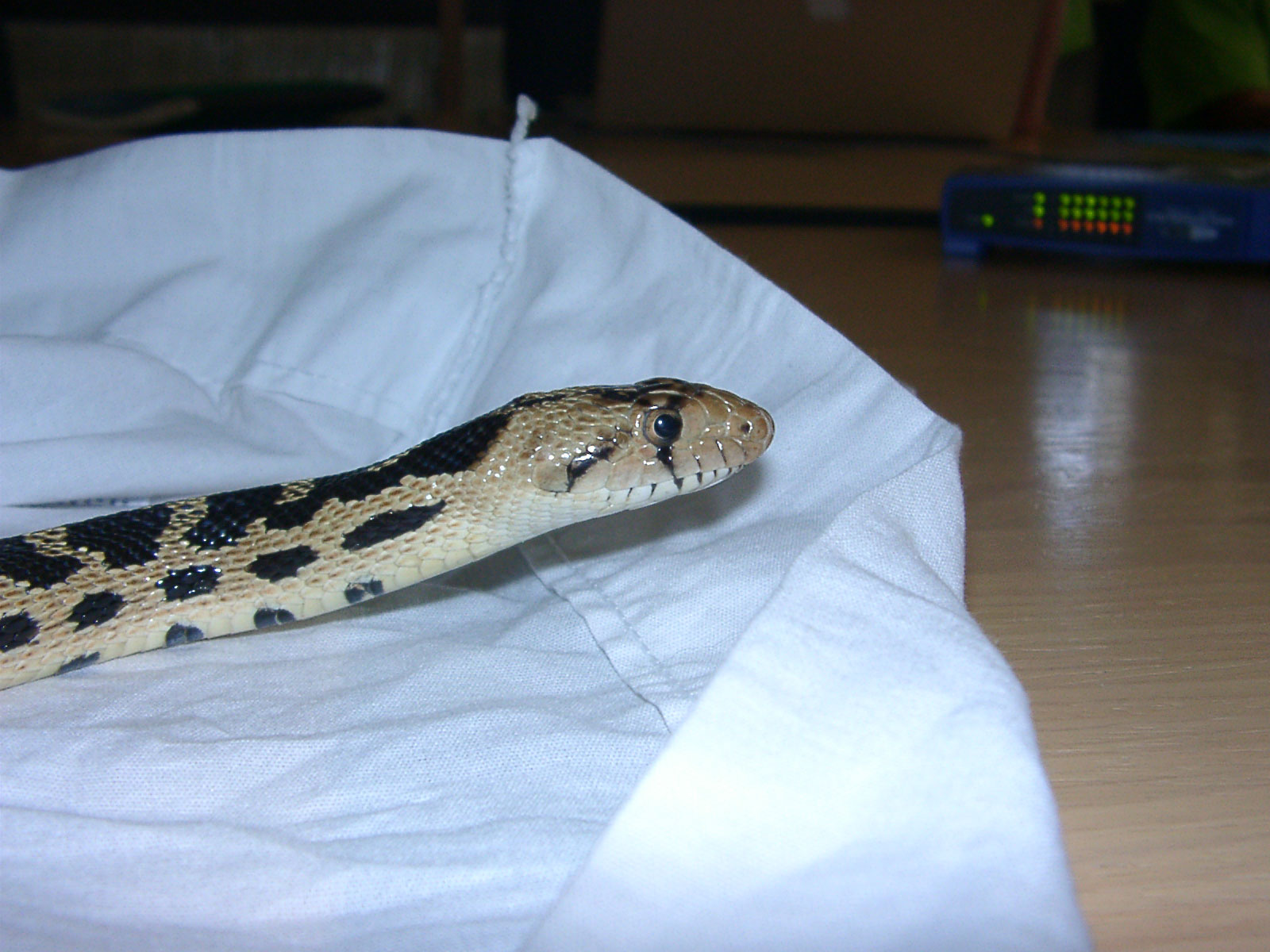
Here is me with the gopher snake Scott found (Pituophis catenifer), she was about 5 feet long and had beautiful markings. She was also very calm and let us handle her for a long time. |
|
Here she is again, isn't she cute?? |
|
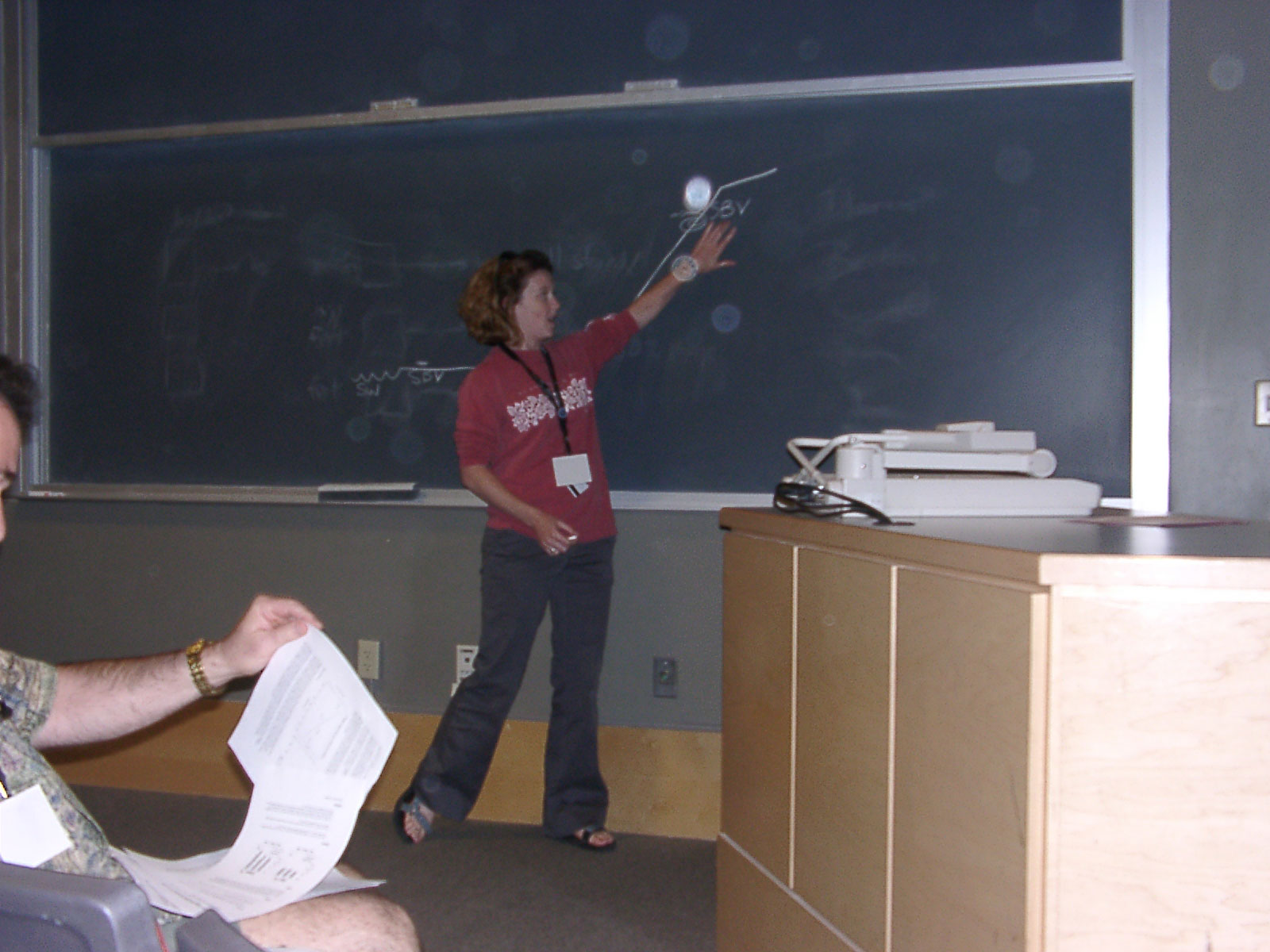
This is me during our week one presentation of our data. We took samples of invertebrates and soil at three sites in a mountain meadow - bank of stream, back of meadow and top of ridge - to see if insects were getting water from the stream or from another source such as groundwater. We used deuterium (2H) isotopes. |
|
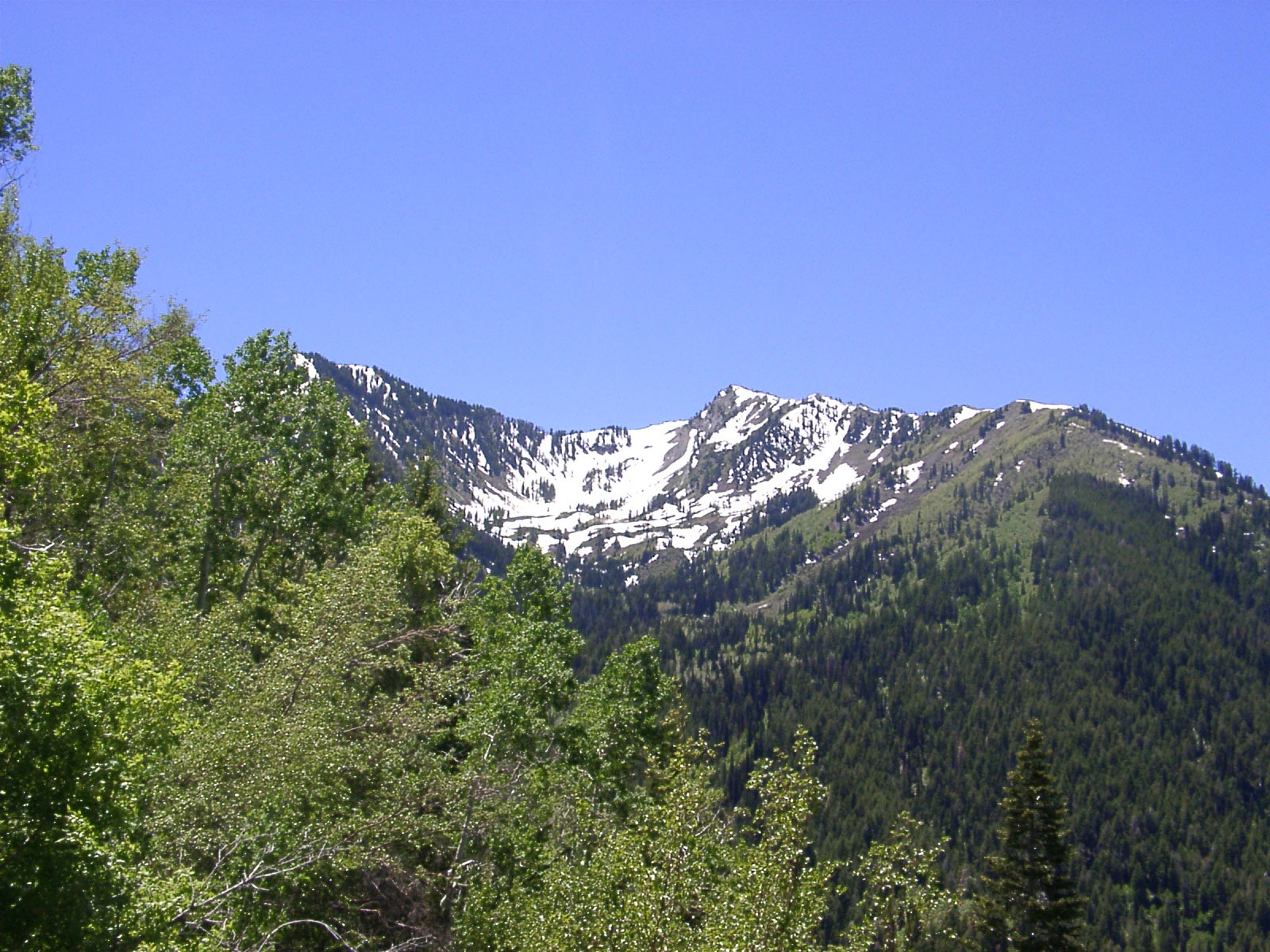
Sunday was an off-day at Jim Ehleringer's cabin up Mill Creek Canyon in the Wasatch mountains. Here's the view from a hike we did in the afternoon. |
|
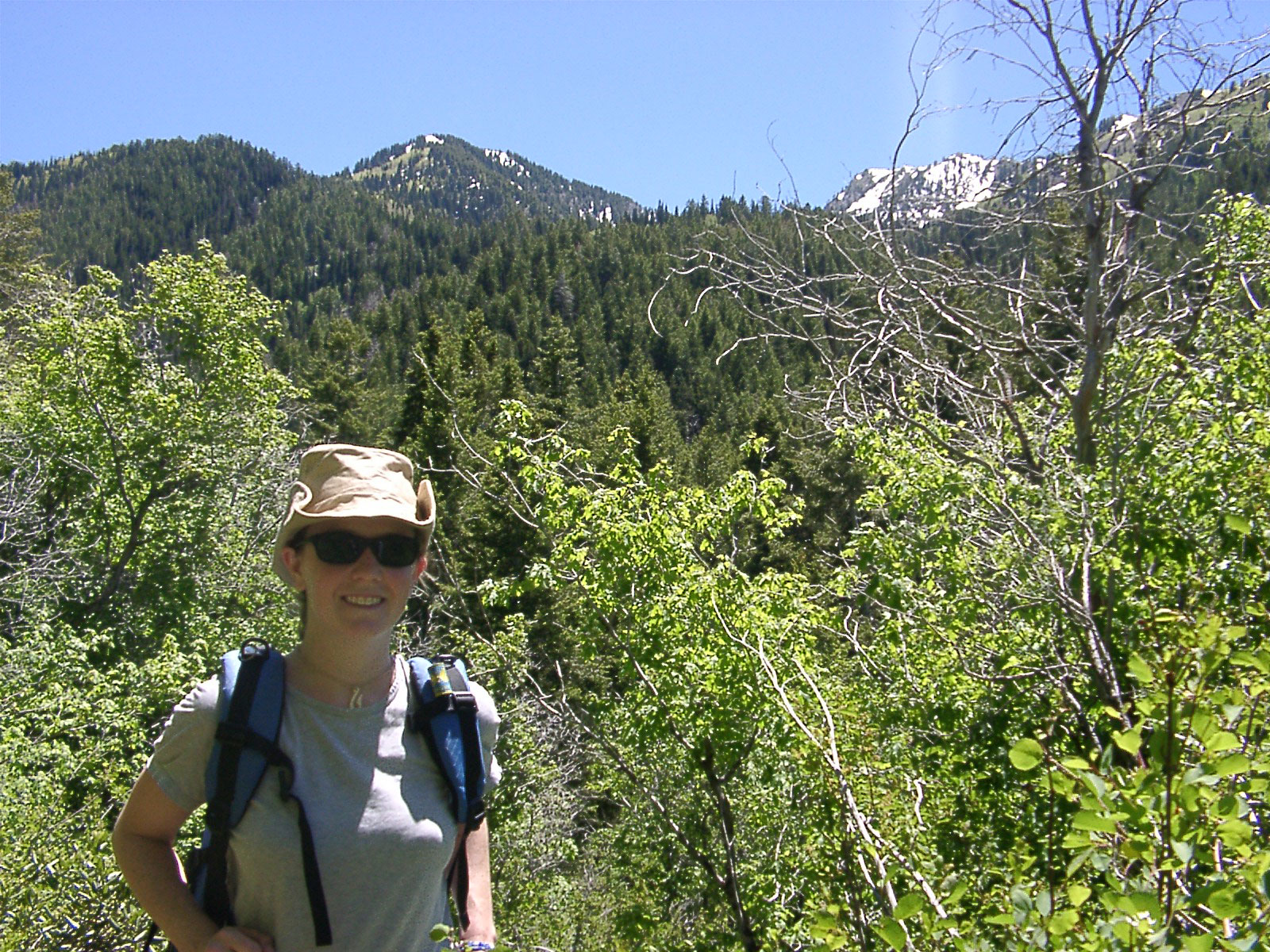
Here's me on the hike. |
|
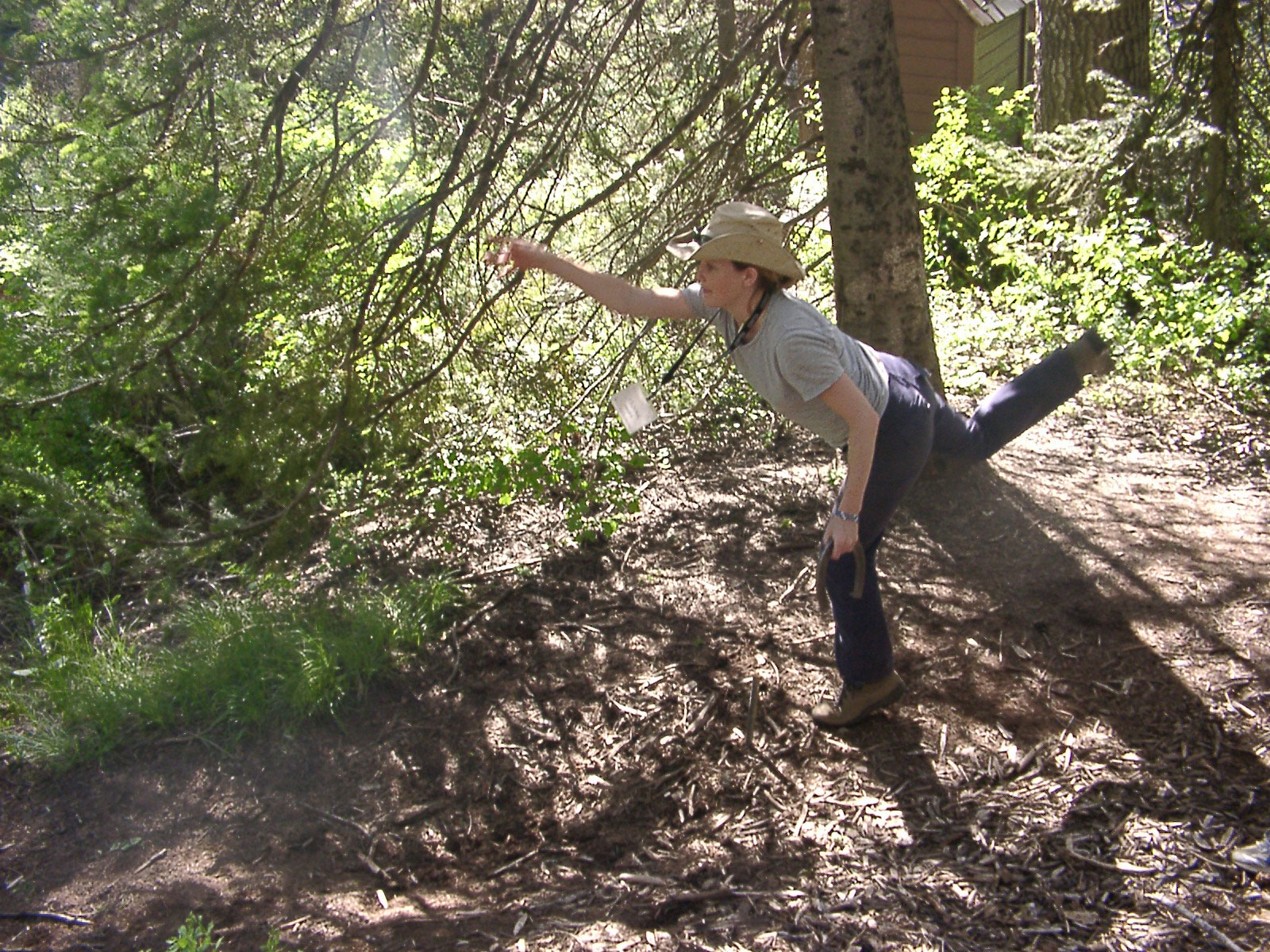
This is me throwing a horseshoe at the annual tournament at Jim's cabin. At first I was good, but we didn't make it out of the first round. |
|
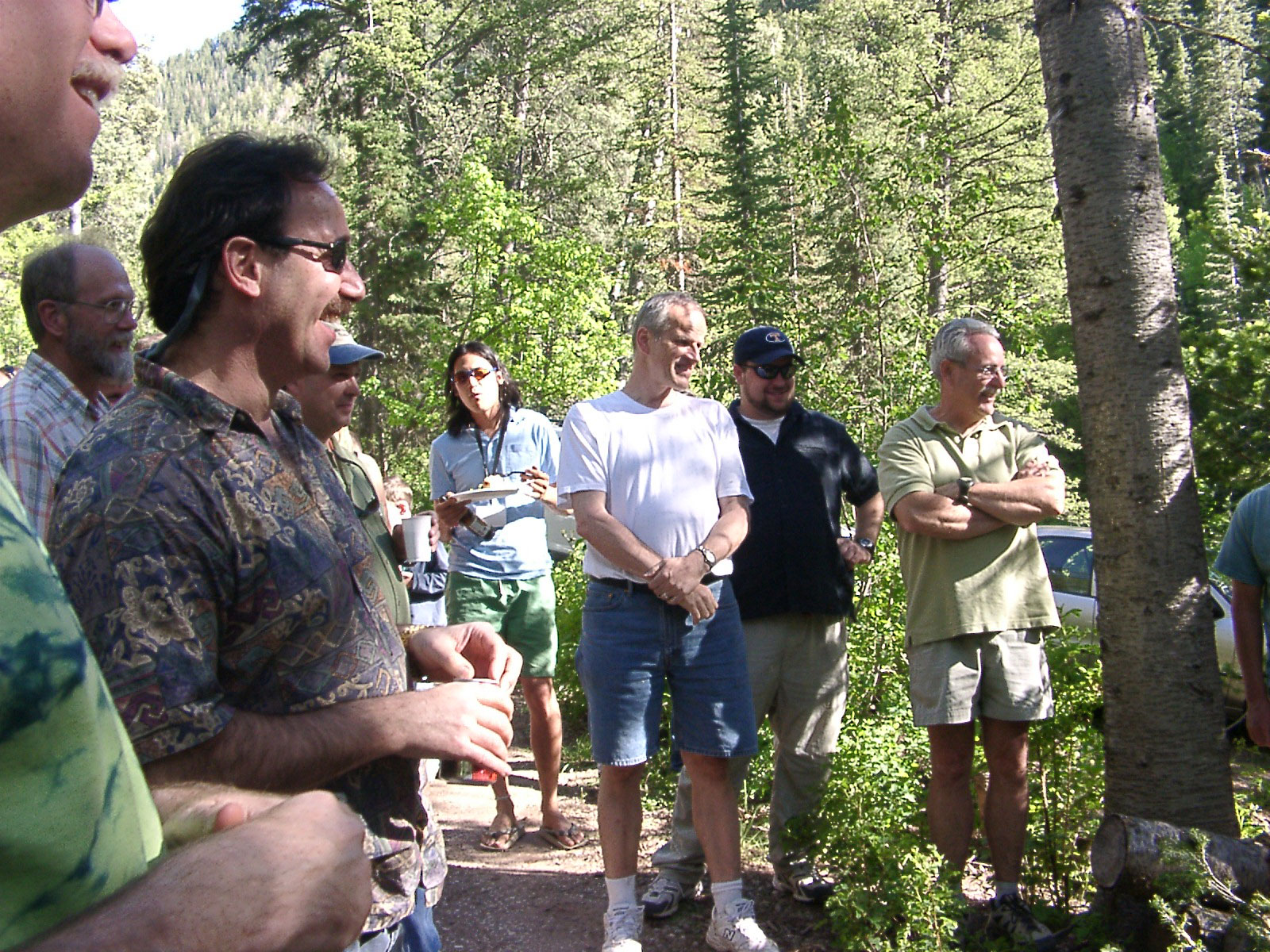
These are the so-called "IsoPopes" for the class. Currently, we are still "isotopeteers". You can see (L-R) John Roden's mustache, Howie Spero, Thure Cerling (behind Howie on the left), Dave Evan's hat, a student named Kevin (still an isotopeteer), Rolf Seigwolf, a student named Chad (isotopeteer), Todd Dawson and finally Brian Popp's shirt on the right. |
|
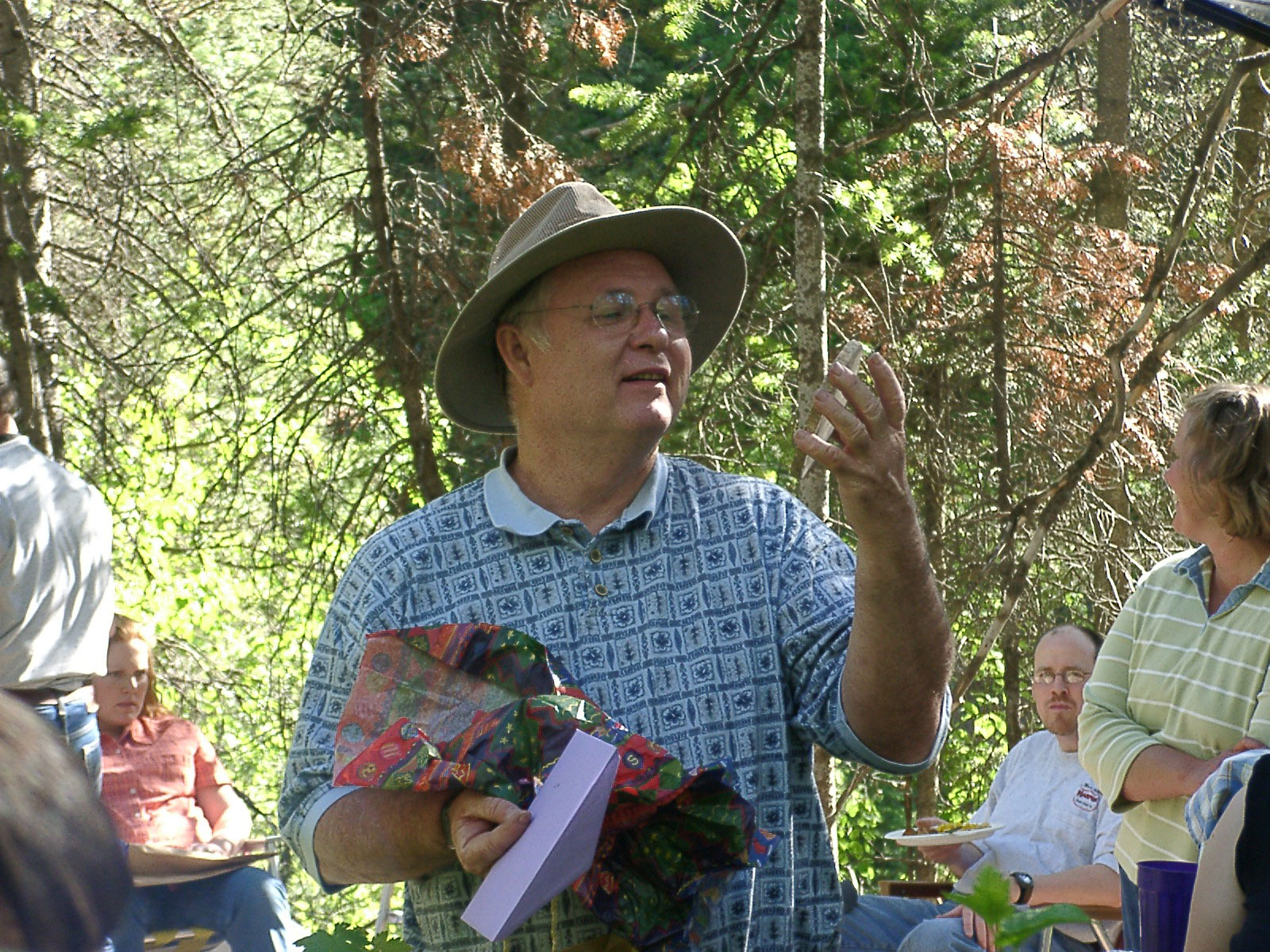
Jim collects fossils, so we gave him one to say thanks. |
|
|
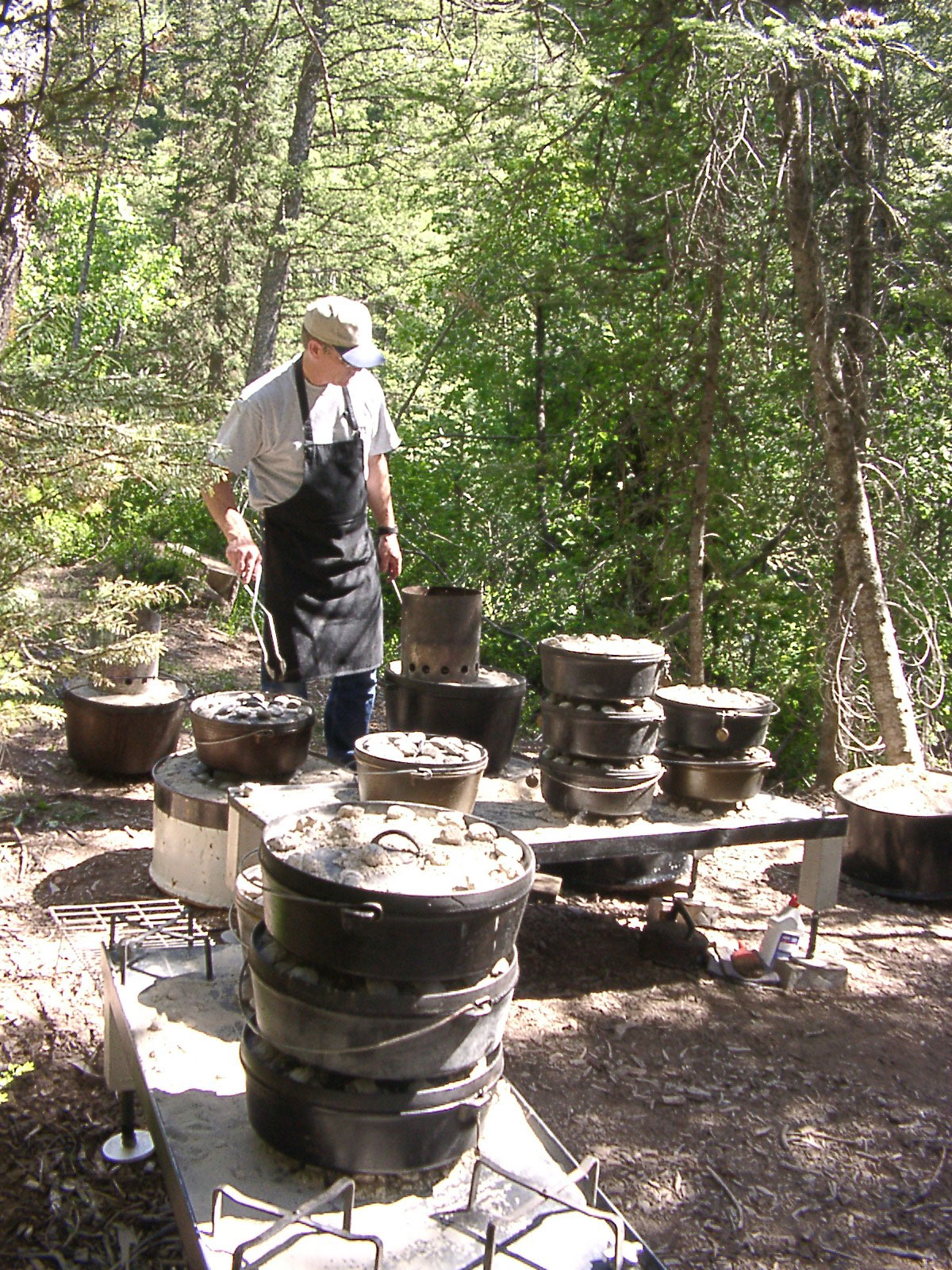
The lab manager's brother catered for us - he's actually a world champion Dutch oven cook and had over 18 dutch ovens going the whole afternoon! It was amazing that someone could be so coordinated - he didn't undercook or burn a single thing and he cooked for over 40 people! |